Frances Benjamin Johnston
1864 – 1952
One of America's first women press photographers, who turned her camera on a changing nation
Frances Benjamin Johnston was born on January 15, 1864, in Grafton, West Virginia, the only surviving child of well-connected parents who soon settled in Washington, D.C. She received an education unusual for a woman of her time, studying art as a young woman and then, from 1883 to 1885, at the Academie Julian in Paris. She intended at first to become a magazine illustrator and writer, and her early ambitions in drawing and journalism shaped the eye she would later bring to photography.
Around 1888 a family friend, George Eastman, gave Johnston one of his new roll-film cameras, and she soon turned from illustration to the camera in earnest. She studied photographic technique under Thomas Smillie, the head of the Division of Photography at the Smithsonian Institution, and began producing illustrated articles for newspapers and magazines. In 1894 she opened her own portrait studio in Washington, D.C., and is generally regarded as one of the few women, and possibly the only one, then running such a studio in the city.
Through the 1890s Johnston built a reputation as Washington's unofficial court photographer, making portraits of presidents, their families, cabinet members, and other public figures, and gaining access to subjects few photographers could reach. In 1897 she published an influential essay, "What a Woman Can Do with a Camera," in the Ladies' Home Journal, urging women to take up photography as a paying profession. In 1900 she organized an exhibition of work by twenty-eight American women photographers that was shown in connection with the Exposition Universelle in Paris.
In the winter of 1899-1900 Johnston was commissioned to photograph the Hampton Normal and Agricultural Institute in Virginia, a school founded after the Civil War to educate African American and, later, Native American students. The resulting series, known today as the Hampton Album, was made to promote the institute's mission and presents its students and classrooms in carefully composed, idealized scenes. In 1901 she made what is believed to be the last formal portrait of President William McKinley, photographed at the Pan-American Exposition in Buffalo shortly before his assassination.
Johnston increasingly turned to photographing gardens, estates, and architecture. In 1913 she opened a studio in New York City in partnership with Mattie Edwards Hewitt, specializing in garden and architectural photography for wealthy clients and landscape designers. Over the following decades she lectured widely on garden photography and documented many of the great American gardens of the era.
In her later career Johnston undertook a sweeping documentary project: a photographic survey of early American architecture in the South. Beginning around 1930 and supported from 1933 by grants from the Carnegie Corporation of New York, she traveled through Virginia and eventually nine Southern states, recording courthouses, churches, plantation houses, and humbler vernacular buildings, many of them rapidly deteriorating. She bought a house in the French Quarter of New Orleans in 1940 and retired there, dying in the city on May 16, 1952, at the age of eighty-eight.
A Career in Images
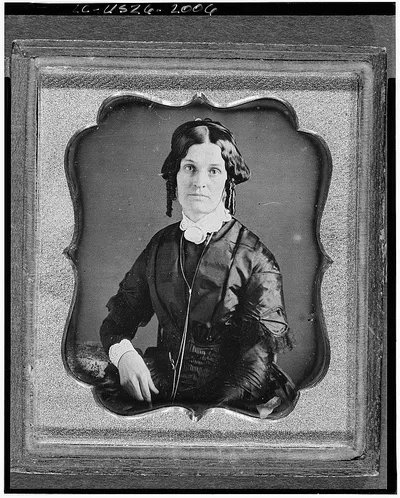
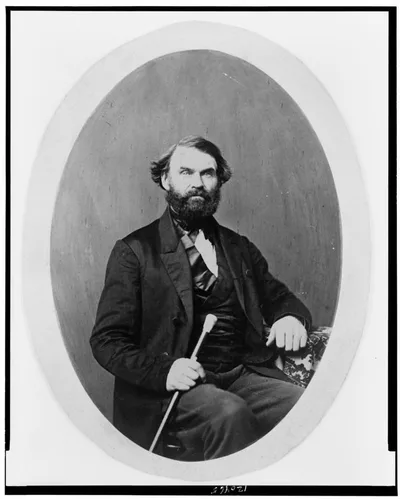
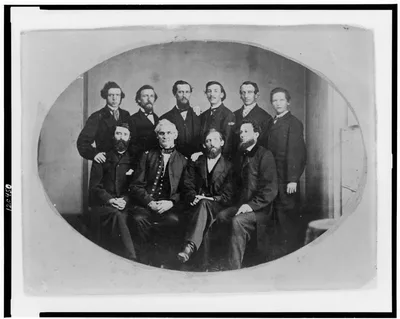
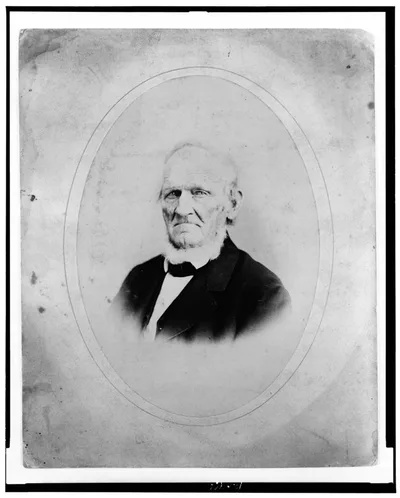
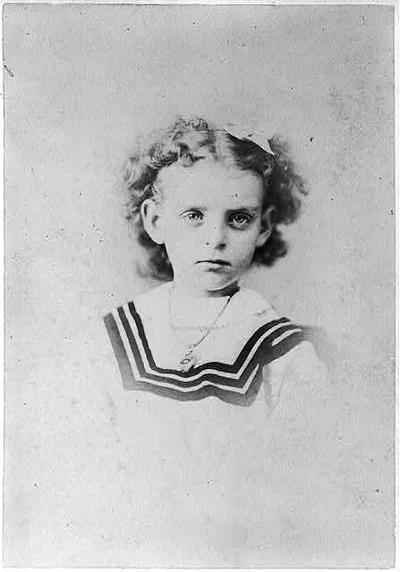
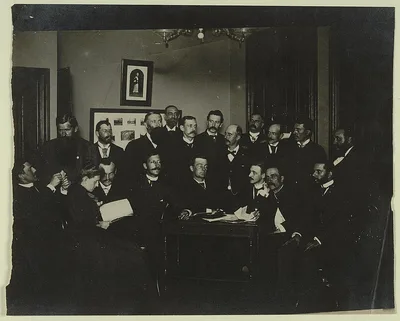
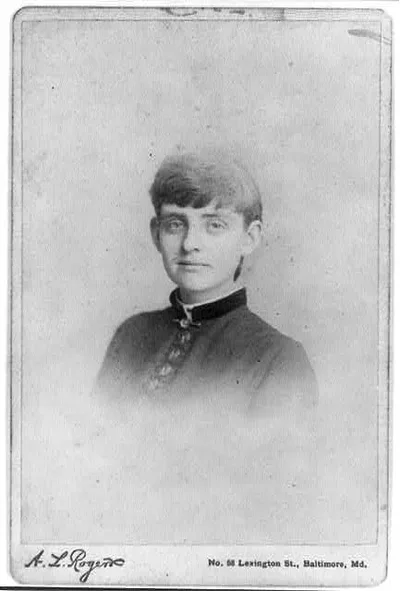
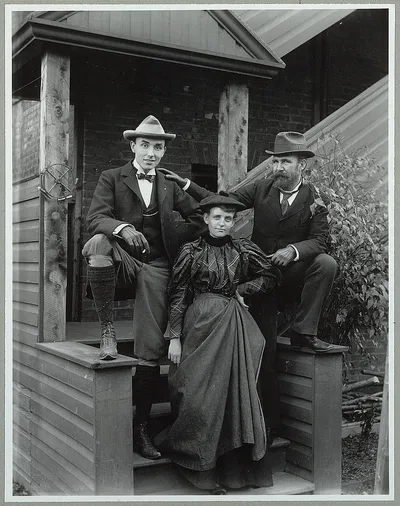
"It is a profession that should appeal particularly to women, and in it there are great opportunities for a good-paying business."
— Frances Benjamin Johnston